
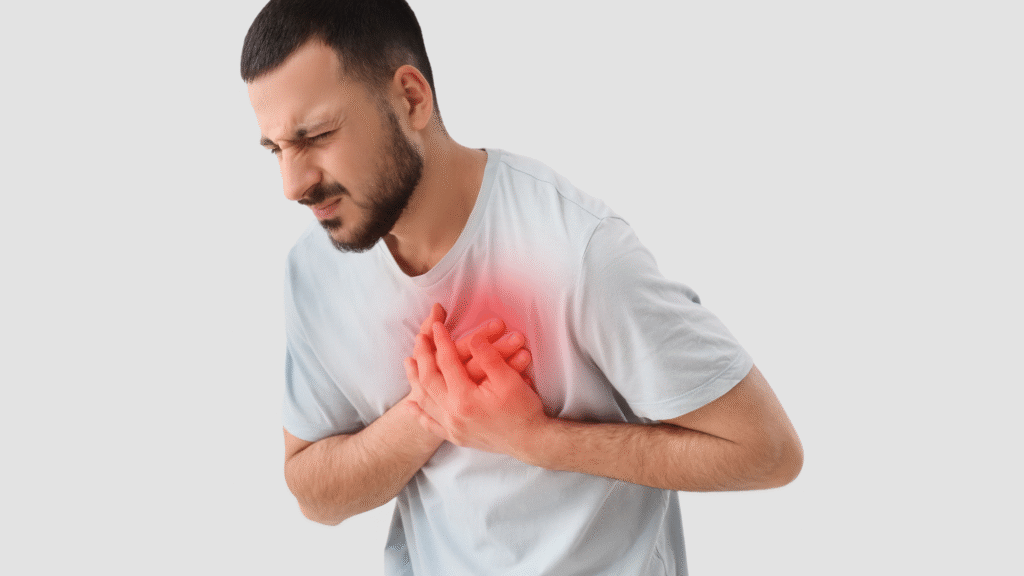
Heart disease is one of the leading health concerns worldwide. Many people ignore the early warning signs until the condition becomes serious. Recognizing these symptoms early can help you seek medical attention on time and prevent major complications such as heart attacks or heart failure.
If you notice any unusual symptoms related to your heart, it is important to consult experienced healthcare professionals at a reliable cardiology hospital in Kharar for proper evaluation and treatment.
Below are some early signs of heart disease that you should never ignore.
1. Chest Pain or Discomfort
Chest pain is one of the most common warning signs of heart disease. It may feel like pressure, tightness, burning, or heaviness in the chest.
This discomfort may come and go or last for several minutes. Some people experience pain that spreads to the arms, neck, jaw, or back. If chest pain occurs frequently, it is important to consult a heart specialist in Kharar immediately.
2. Shortness of Breath
Difficulty in breathing, especially during physical activity or while lying down, may indicate heart problems.
When the heart cannot pump blood effectively, fluid may build up in the lungs, causing breathlessness. If you often feel out of breath even during normal activities, visiting a cardiology doctor in Kharar can help identify the underlying cause.
3. Unusual Fatigue
Feeling extremely tired without any clear reason can be an early symptom of heart disease. This type of fatigue may make everyday activities like walking, climbing stairs, or doing household work difficult.
Many patients report unusual tiredness days or weeks before a heart attack. Early consultation at a cardiology hospital in Kharar can help detect potential heart issues.
4. Irregular Heartbeat
A racing, pounding, or irregular heartbeat may signal heart rhythm problems (arrhythmia). Occasional changes in heart rhythm are common, but frequent or persistent irregular heartbeats should not be ignored.
A proper evaluation by a cardiology specialist in Kharar can help determine whether the irregular heartbeat is harmless or a sign of heart disease.
5. Swelling in Legs, Ankles, or Feet
Swelling in the lower body can occur when the heart struggles to pump blood effectively. This condition, known as edema, happens because fluid builds up in tissues.
If swelling in the legs or feet occurs frequently without any injury or other clear reason, it may indicate heart problems. Seeking medical advice from a heart doctor in Kharar is recommended.
6. Dizziness or Lightheadedness
Frequent dizziness or feeling faint may occur when the heart cannot supply enough blood to the brain.
These symptoms may be accompanied by weakness or confusion. If dizziness happens often or suddenly, it should be evaluated by an experienced cardiology doctor in Kharar.
7. Persistent Cough
A long-lasting cough, especially one producing white or pink mucus, may sometimes be related to heart disease. This happens when fluid accumulates in the lungs due to poor heart function.
Although cough is usually linked to respiratory conditions, a persistent cough should still be checked at a cardiology hospital in Kharar to rule out heart-related issues.
8. Nausea or Loss of Appetite
Some people with heart disease experience digestive symptoms such as nausea, stomach discomfort, or loss of appetite.
These symptoms are often ignored because they appear similar to common digestive problems. However, if they occur along with other symptoms like chest discomfort or fatigue, they may indicate heart issues.
9. Pain in the Neck, Jaw, or Back
Heart-related pain does not always stay in the chest. In some cases, discomfort spreads to the neck, jaw, shoulders, or upper back.
Women, in particular, may experience these symptoms more frequently than chest pain. If such pain occurs repeatedly without a clear cause, it is important to consult a heart specialist in Kharar.
10. Excessive Sweating
Sudden cold sweats without physical exertion may be an early warning sign of heart problems.
If excessive sweating occurs along with chest discomfort, dizziness, or nausea, immediate medical attention is necessary.
When Should You See a Doctor?
If you experience any of the above symptoms, especially chest pain, breathlessness, or dizziness, do not ignore them. Early diagnosis and treatment can significantly reduce the risk of severe heart complications.
Regular heart checkups, a healthy diet, exercise, and managing stress are important steps for maintaining good heart health.
For people experiencing heart-related symptoms, consulting experienced specialists at a trusted multispeciality hospital in Kharar can help ensure proper diagnosis and effective treatment.